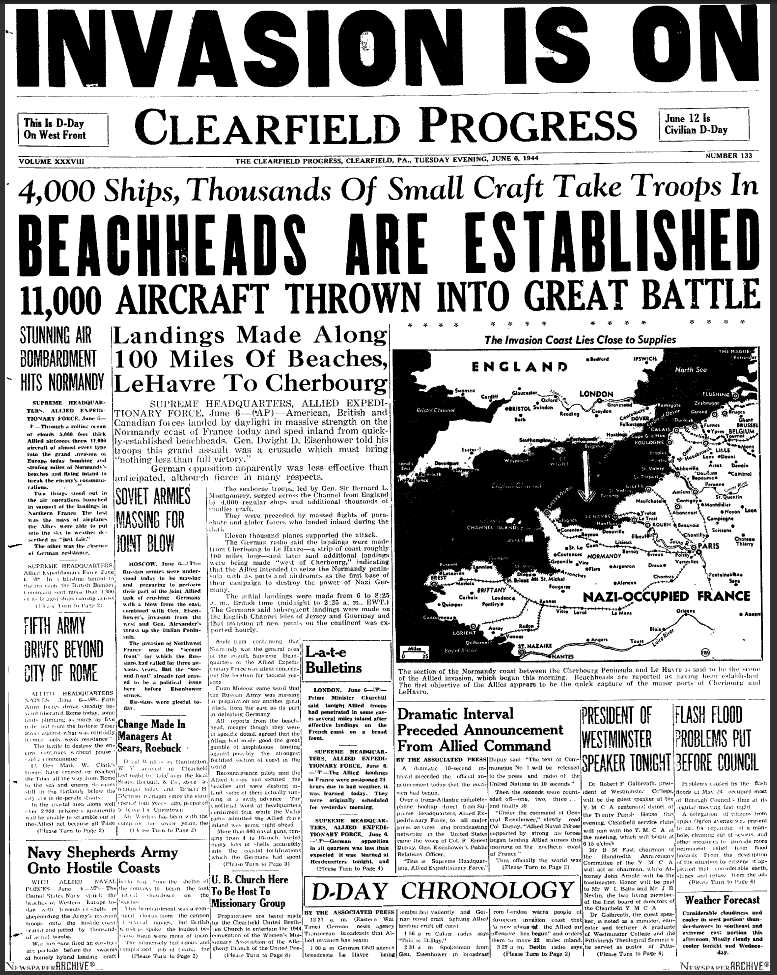
On June 6, 1944, before dawn, 13,000 American paratroopers dropped behind enemy lines into occupied France. By first light, nearly 160,000 Allied troops were crossing the English Channel in the largest seaborne invasion in history. We call it D-Day, and the name itself carries history worth understanding. The Army has long described it as simple alliteration, much like H-Hour, while the French connect the D to "disembarkation." Some call it the "day of decision." When someone wrote to General Eisenhower in 1964 asking for a definitive answer, his executive assistant, Brigadier General Robert Schultz, replied on his behalf: "Be advised that any amphibious operation has a 'departed date'; therefore, the shortened term 'D-Day' is used." Whatever the origin of the name, what happened on that day needs no translation.
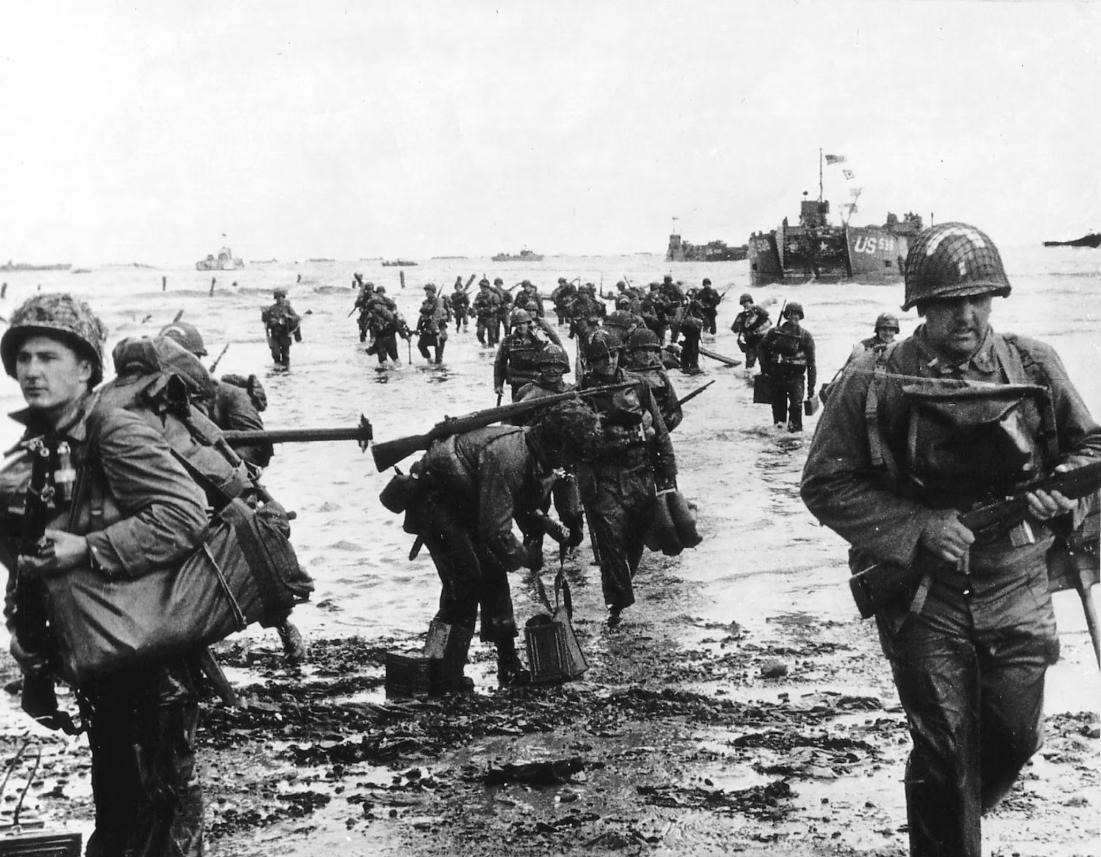
The boys hitting those beaches, Omaha, Utah, Gold, Juno, and Sword, were not hardened veterans in most cases. They were 18, 19, and 20 years old. They were farmers from Iowa, steelworkers from Pittsburgh, and fishermen from New England. They were young Americans who had grown up during the Depression and answered the call when their country and the free world needed them most.
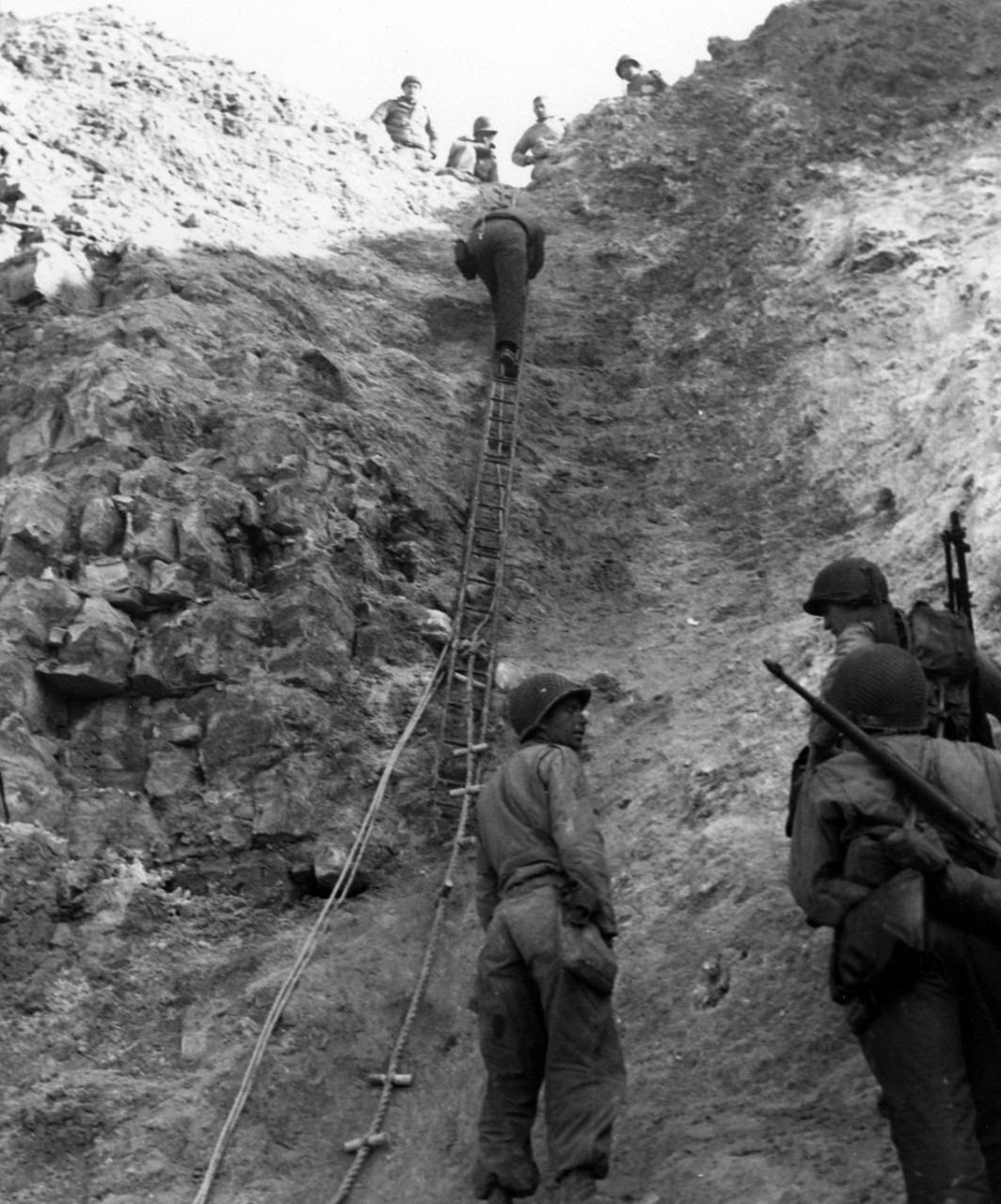
At Omaha Beach alone, American forces suffered nearly 2,000 casualties in a matter of hours. Men were cut down in the surf before their boots ever touched sand. The ones who survived pushed forward over the bodies of their friends. They took the bluffs. They broke the Atlantic Wall. They turned the tide of the Second World War.
I think about those men often. I think about what they carried, not just the weight of their packs, but the weight of knowing what was at stake. They were not fighting for a political party or an ideology. They were fighting for the idea that free people have the right to govern themselves, that tyranny does not get the last word, and that some things are worth dying for.
82 years later, that charge has not expired. It passed to us. Say a prayer today for every man who fell on those beaches and in those fields, then ask yourself whether you are living in a way that justifies what they paid. God rest their souls. God bless this Republic.