BREAKING: Perpetual Wars vs Perpetual Peace
Perpetual wars have no net benefits for anyone who fights, funds, or lives through them. Yet, our politicians and corporate titans seem to love them.
War destroys lives, capital, and institutions while transferring resources to a narrow set of elite interests.
Most claims made (usually by those who don’t have to fight) of any benefits usually describe positive side effects that accrue to states, contractors, or elites, or historical processes that occurred despite war rather than because endless conflict is desirable.
Never forget, war is all about power and control (don’t kid yourselves).
Some geniuses claim that continuous low-level or proxy conflicts can stabilize ruling coalitions. An external enemy (the U.S., Russia, China, Iran, North Korea) focuses public attention, then justifies emergency powers, and further reduces elite challenges (all while the ruling elites of those nations become wealthier).
Yes, there is some data that prolonged interstate wars lower risk of a coup in the dominant powers.
Orwell’s seminal book, 1984, framed this explicitly:
The three superstates (the U.S., Russia & China) keep a managed war going to consume surplus production, keep living standards low, and prevent the population from becoming “too comfortable and hence, in the long run, too intelligent.”
The slogan “War is Peace” captures the logic that a permanent external threat substitutes for genuine internal legitimacy (in the current context, think the proxy wars in Ukraine and across the entire Middle East).
The same dynamic appears in military-industrial complexes. Defense firms, their suppliers, and politicians who receive campaign support gain from steady procurement, cost-plus contracts, and revolving-door employment (yes, been there done that, so I have that set of experiences, but like my father used to say, the older I get the smarter my father becomes).
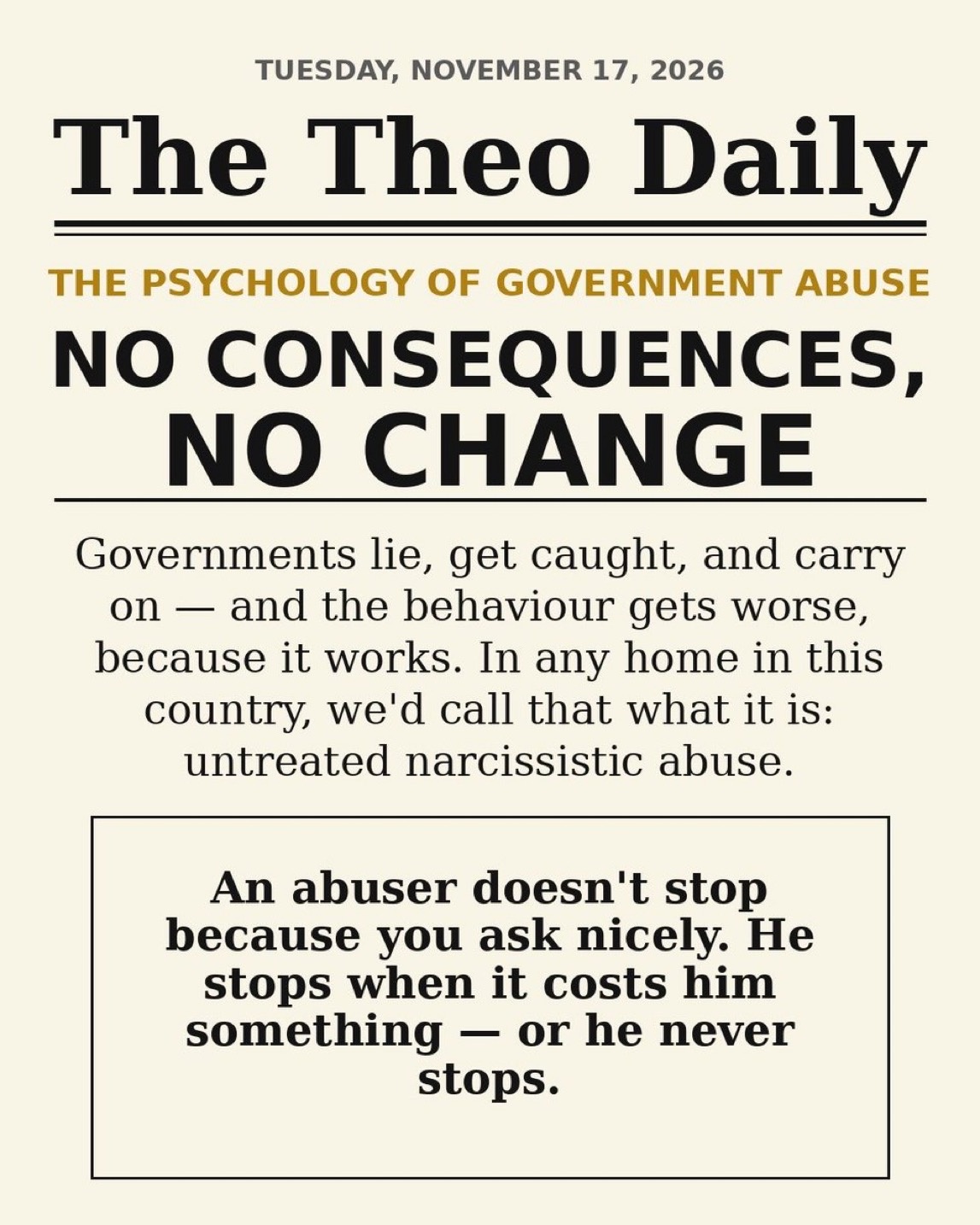
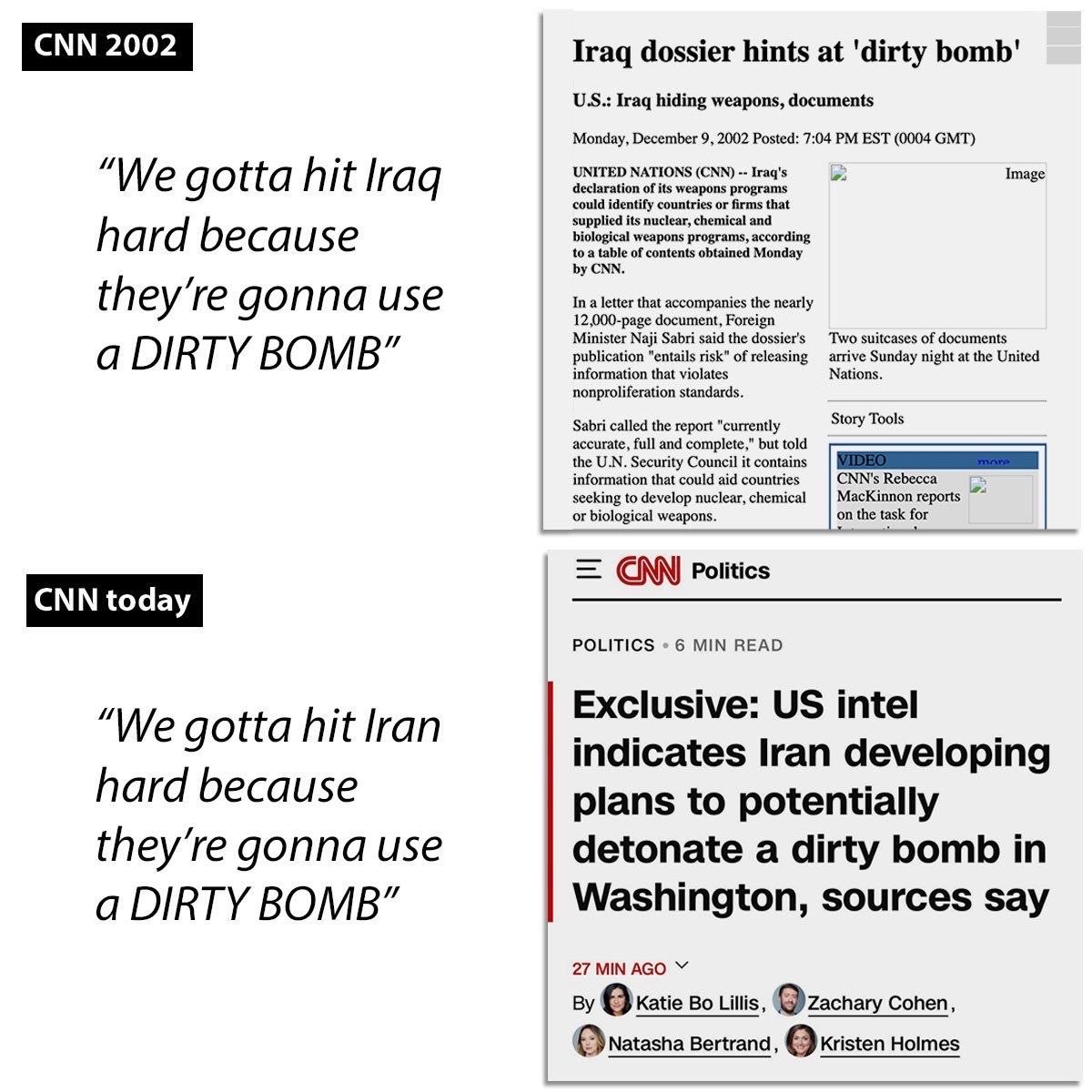
That all said, localized “managed conflict” tests weapons and keeps budgets high without risking the core economies of the sponsoring powers (Or so they tell us). But in recent times, our government always fails to mention our out of control debt, absolute corruption without accountability, and blatant lying about how the war is being prosecuted.
So what?
If there are any benefits at all, these fall to the few and not the many. These are items like, elite cohesion, contractor profits, accelerated gadgets (AI, robotics, space applications), and potential to create larger states (a globalist’s dream scenario).
These are all real for specific actors in specific historic windows. However, they are purchased with thousands of corpses, ruined cities, displaced populations, veterans’ trauma, and decades of lower living standards for everyone else.
Data and history both show that societies that can keep conflict limited and finite do better than those locked into open-ended campaigns.
Perpetual war is a tool of power maintenance, not a general engine of human flourishing. If we don't end these cycles of perpetual wars, we will end up in a perpetual cycle of decline, the speed of which seems to be accelerating instead of slowing down.
Keep in mind, a nation that survives the worst of circumstances is usually the nation that spends years preparing for that day.
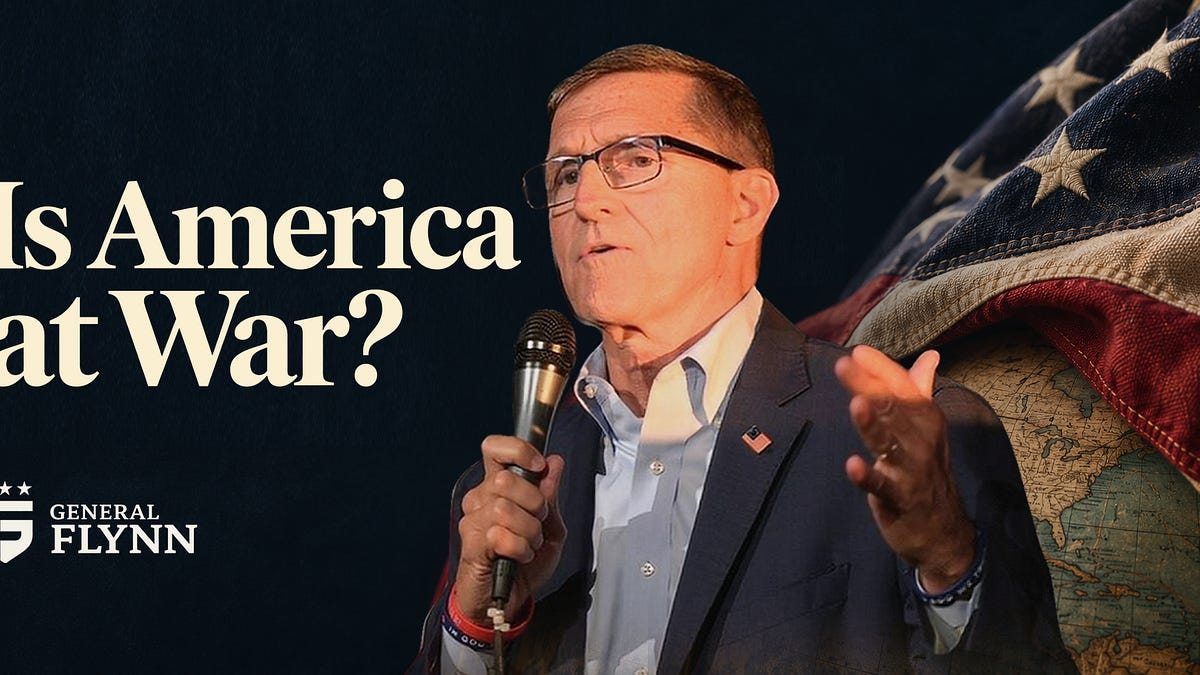
Is America prepared?
Are you and your family prepared?
Plato (or Santayana) observed, “Only the dead have seen the end of war.”
Which ever coined the phrase, the quote recognizes that conflict is a perpetual part of the human experience, and the actual end to war’s horrors is only experienced in death, as the living are constantly caught in its perpetual cycles.
God help us … Pray for Perpetual Peace 🙏🏼🇺🇸